Why New Nutrition Coaches Freeze With Real Clients—And the Textbook Built to Fix It
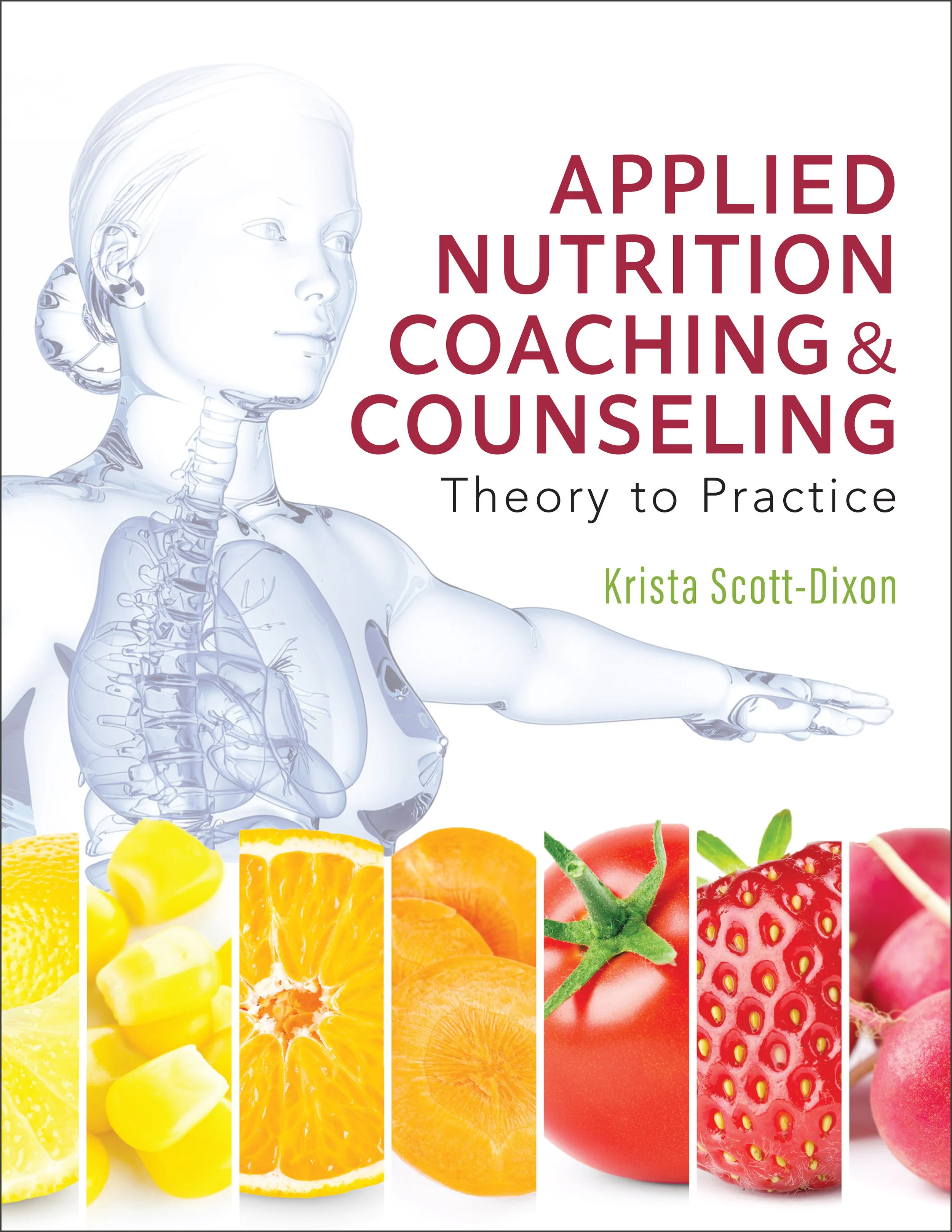
Applied Nutrition Coaching and Counseling: Theory to Practice, by Dr. Krista Scott-Dixon, brings nearly 30 years of coaching expertise to a long-standing gap in how future practitioners are prepared for the messy reality of human interaction.
Vancouver, Canada/ 22 May 2026/ Krista Scott-Dixon
A new textbook from Cognella publishing aims to transform how the next generation of nutrition professionals is trained. Applied Nutrition Coaching and Counseling: Theory to Practice, by Dr. Krista Scott-Dixon, addresses a persistent gap in health and nutrition education: the disconnect between what students learn in the classroom and what they encounter with real clients. The book offers an applied, progressive curriculum that builds coaching and counseling skills through deliberate practice, self-reflection, and hands-on exercises—preparing practitioners not just to know the theory, but to use it confidently in the diverse, complex, and unpredictable situations that define human interaction.
The book responds to a well-documented challenge in the field: New graduates often understand behavior change frameworks in principle but struggle to apply them under pressure, in difficult conversations, or with clients whose needs fall outside standard protocols. Research has also shown that impostor syndrome is widespread among dietitians, with one survey finding that 64% of dietetics students, interns, and practitioners reported frequent or intense impostor feelings. Applied Nutrition Coaching and Counseling directly addresses these realities by treating counseling as a learnable craft—closer to learning an instrument or a sport than memorizing content.
Rather than positioning the practitioner as the "finder and fixer" of client problems, the book centers the therapeutic alliance and the client's own agency and resilience. It integrates motivational interviewing, solution-focused approaches, and structured self-reflection, alongside the practical professional skills practitioners actually need on the job—time management, documentation, and structured client processes.
What sets the book apart is its interdisciplinary scope. It draws on trauma-informed care, health equity, critical disability studies, lifespan and longevity science, nutrigenomics, food policy, and media and information literacy—reflecting the realities of practicing nutrition in an era shaped by social media, AI, personalized testing, and shifting cultural norms around identity, body, and food. Practitioners are guided to develop cultural sensitivity, cognitive flexibility, and the "safe and effective use of self" needed to navigate power dynamics, weight stigma, and their own internal experience during sessions.
Written for students preparing for careers in health coaching, dietetics, counseling, and lifestyle medicine, the book is designed for courses that prioritize applied learning. It is available now from Cognella.
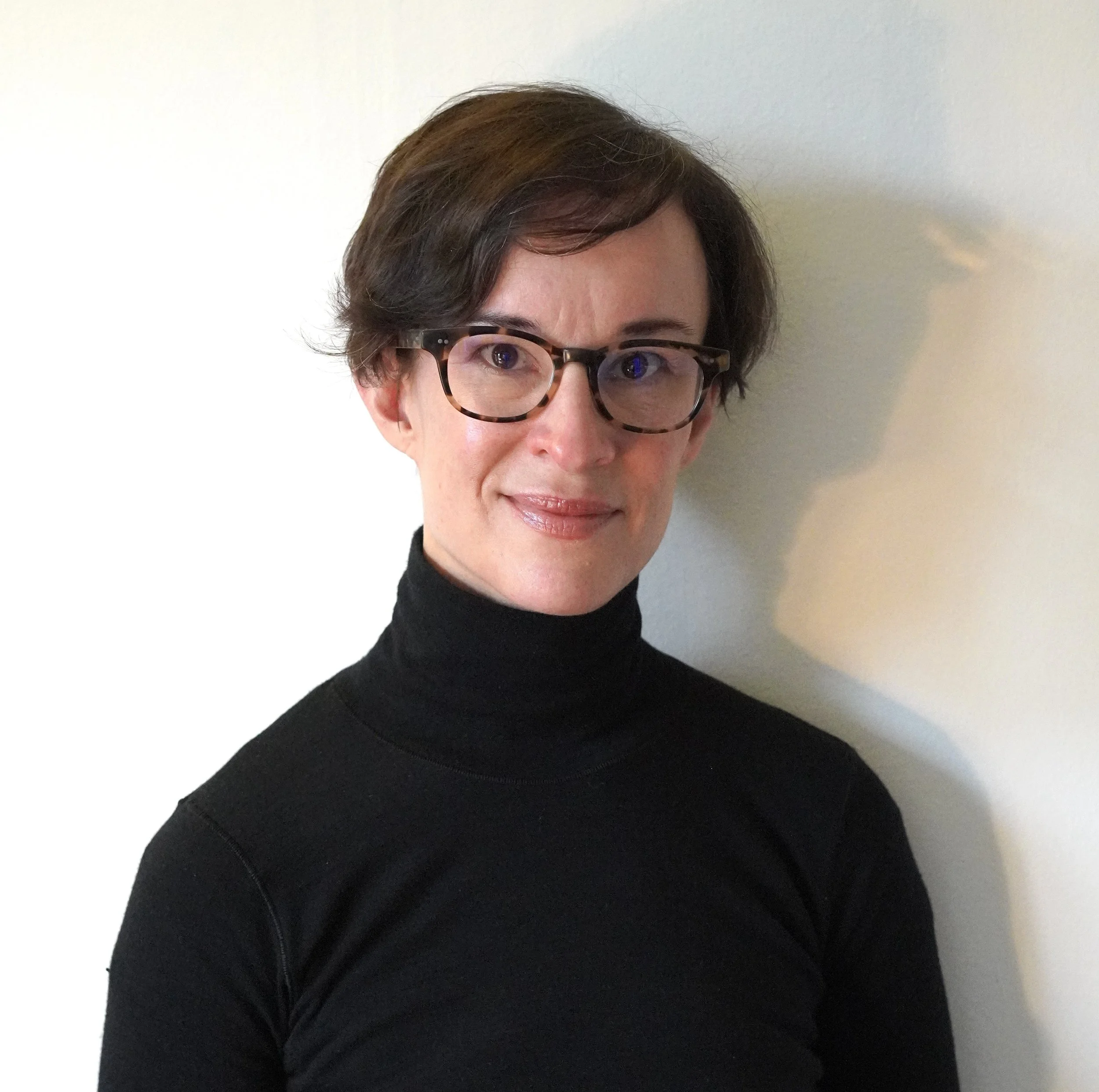
Dr. Krista Scott-Dixon holds a Ph.D. from York University and has taught, researched, and practiced internationally in the field of health behavior change and coaching for nearly 30 years. She has coauthored several peer-reviewed health coaching certifications used to educate professionals across a wide range of health and wellness domains in effective coaching and counseling methods. She currently maintains a private health and high-performance coaching practice.